


Match Masters
4.8189.53K Reviews
App Specs
- Version
- 5.805
- Updated On
- License
- Free
- Downloads
- 50,000,000+
- Developer
- Candivore
- Categories
- Casual
- Platform
- Android, iOS
Screenshots
 Analysis by AppCompare
I usually decide whether a casual game is worth keeping by asking a simple question: does it make a short break feel satisfying, or does it turn that break into a chore? Match Masters caught my attention because it takes familiar tile-matching and makes another person part of the puzzle. That changes the mood: I’m not only looking for a good board, I’m also thinking about what my move may leave behind for the player across from me.
That competitive focus is the main reason I’d try it instead of another solo match-3 game. It is free to start, rated for Everyone, and developed by Candivore. The game has a 4.8 average from around 2.5 million ratings, which suggests it has found a large audience, but that alone would not make me recommend it. The real question is whether you enjoy making quick choices while someone else is trying to do the same.
Choose it for the kind of break you actually want
If I have a few spare minutes and want a game that asks for more attention than simply clearing a board, this is a natural fit. Its casual format keeps the basic idea approachable, while the head-to-head setup gives each turn a purpose beyond making a pleasing match. I would expect to enjoy it most when I’m alert enough to think about the next move, rather than when I want something entirely passive.
It is also a better fit for someone who likes a little rivalry but does not need a deep, lengthy strategy game. Matches can give a familiar puzzle a social edge without asking me to settle in for a long campaign. On the other hand, if losing to another player tends to ruin a relaxing session, or if I want to play entirely at my own pace, a solo puzzle game is likely the kinder choice.
What the head-to-head format changes
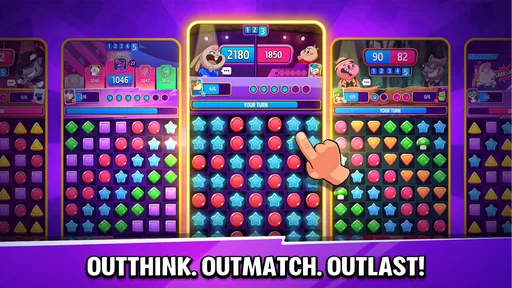
The basic mechanic is easy to understand: swap tiles to make matches of three or more. The interesting part is that you are playing against someone, with separate boards and moves that can affect the opponent. That means I would not treat every attractive match as automatically best. Before moving, I’d check whether it helps me build toward stars or power-ups and whether it could also create a useful opportunity for the other player.
This gives the game a different rhythm from the usual match-3 alternative, where the board itself is the only opponent. In a solo game, I can often take my time and focus on clearing targets; here, I need to stay aware of the contest. The trade-off is clear: the multiplayer tension makes ordinary matching more engaging, but it also means a distracted move can feel more consequential than it would in a relaxed single-player puzzle.
Small habits that make each match more deliberate
I’d begin by looking at the whole board rather than immediately taking the first obvious match. A move that creates a modest match may be more useful if it sets up stars or a power-up, while a flashier move is not necessarily the one that helps most. Since the other player’s board and choices matter, it is worth pausing briefly to consider what your move might enable on their side as well as what it earns for you.
Worth Reading Before You Choose

Flipboard Shows What News Apps Must Do Beyond the Feed

Switching to Android Auto Means Rethinking Your Driving Routine

Google Calendar Makes a Crowded Week Easier to Manage

Ludo King Makes the Most of the Minutes Between Plans

Baby Panda World Brings Quick Play to Modern Phones, but Its Game Library Feels Busy

ESPN’s Live Game View Makes Following Close Games Easier
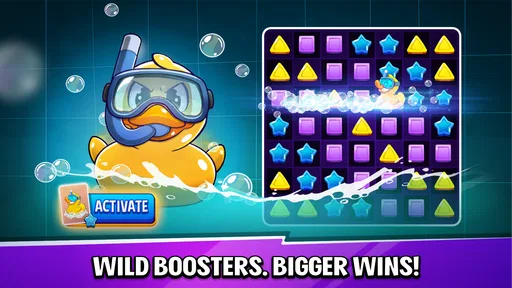
Boosters are another reason not to spend every turn on autopilot. The game presents special boosters as tools that can change a match, so I would treat them as part of the decision rather than as decoration. If one is available, think about whether the current board gives it a meaningful job or whether holding back makes more sense. That small pause can make the contest feel more considered without turning a casual game into homework.
A practical routine is to play a few matches when you have enough attention to follow the board, then stop before you start making careless moves. This is not a game I’d choose while trying to listen closely to a call or rush through several other tasks. The competitive format rewards noticing what is happening, and splitting your attention can make a close match feel frustrating rather than fun.
Rewards, events, and a reason to return
Progression gives the game a longer arc beyond any one result. You can climb ranks, earn boosters and upgrades, and encounter daily challenges and events. I like that these offer different reasons to come back, but I would keep the distinction clear: a reward is most satisfying when it supports the way I enjoy playing, not when it becomes a checklist that dictates when I must open the game.
For a useful everyday scenario, imagine waiting for a friend at a café. One or two matches can make that idle time feel more involving than scrolling, and a daily challenge may give the session a clear stopping point. If the wait ends or I need to leave, I would rather put the game down than keep chasing a reward. The best use case is a flexible spare moment, not a commitment that competes with something more important.
The game’s audience is broad: it has passed 50 million installs, and its content rating is Everyone. That reach does not mean every player will like its competitive emphasis, though. Someone who enjoys friendly rivalry, short puzzle decisions, and visible progression has a good reason to try it. A player who mainly wants a quiet, uninterrupted puzzle experience may be happier with a conventional solo match-3 game, where there is no opponent to track.
Social play can help, but it is not the whole appeal
There are ways to connect with other players: you can team up with friends, join clubs, chat, and follow leaderboard rankings. I see those as optional ways to add context to the competition, not a requirement for enjoying the central matching idea. If you already have friends who play, sharing strategies or comparing progress could make the game more engaging. If you prefer not to socialize in games, the direct player-versus-player format still gives each match its contest.
One useful choice is to treat clubs and rankings as a layer you can enter gradually. Start by learning how you like to approach the board, then use social features if they make the experience more enjoyable. That avoids turning a casual game into another obligation to keep up with a group. I would also judge progress by whether the matches stay fun, rather than by a leaderboard position alone.
Where other puzzle games may suit you better
Match Masters is a strong option when the opponent is part of the appeal. Compared with solo match-3 games, it makes each move feel more interactive, but it gives up some of the calm, self-paced quality those alternatives offer. Compared with broader casual games that rely on varied activities, its appeal is more focused: matching, competing, and building progress around that loop. That focus is a strength if you enjoy it and a limitation if you want a wider mix of play.
I would also choose a solo alternative if I want to pause often, study a board without pressure, or play without feeling that another person is responding to my choices. Conversely, if a puzzle feels dull when nothing is at stake, the head-to-head format is exactly what makes this one worth considering. There is no universal winner between these styles; the better choice depends on whether you want quiet problem-solving or a shared contest.
Free to begin, with spending kept in perspective
The game is free, with optional in-app purchases priced from $0.49 to $99.99 per item. That range makes it sensible to decide your own spending boundary before browsing purchase options, especially if you tend to buy small extras impulsively. I would start without paying and see whether the regular play, challenges, and progression are enough for me. The existence of purchases does not mean spending is required, but it is worth remembering that optional purchases can make a game feel less casual if you begin treating them as the quickest route through every setback.
If you are trying to keep play strictly free, focus on learning the board and using earned boosters thoughtfully rather than assuming a purchase is the answer to a losing streak. If you are comfortable paying for optional items, consider whether the purchase adds enjoyment you actually want, rather than reacting to frustration after a close match. That approach keeps the decision in your hands and helps preserve the game’s pick-up-and-play appeal.
Compatibility and what to expect before installing
The current version is 5.402, and the listed minimum operating system is Android 6.0. It was released on June 8, 2017, so this is an established game rather than a brand-new experiment. I would check that my device meets the system requirement before installing, then give the opening sessions time to show whether I enjoy the competitive loop. Its large audience and 188,000 reviews offer useful context, but personal taste still matters more than popularity when deciding whether to keep a game.
A sensible first-session test is to notice three things: whether you enjoy making choices with an opponent in mind, whether the pace suits your attention span, and whether progression feels motivating rather than demanding. If those parts click, the game has room to become a regular quick-play option. If they do not, there is little reason to force it just because matching games are familiar.
What Makes Match Masters Stand Out?
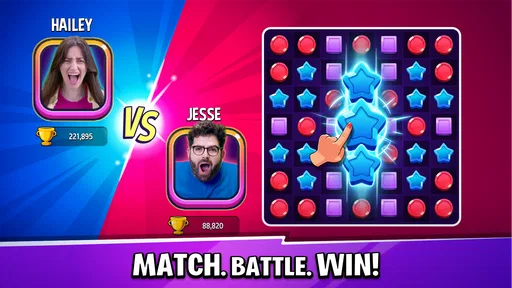
First things first, let’s talk about the gameplay. Unlike other match-3 games where you’re just playing against the board or a timer, Match Masters pits you directly against other players. Every match is a head-to-head battle where strategy triumphs over mere luck. This competitive edge adds a layer of intensity that keeps you coming back for more.
Gameplay Mechanics
The game follows the traditional match-3 format where you swap tiles to create matches of three or more. However, the twist lies in the multiplayer aspect. Each player has their own board, but the moves you make can affect your opponent. Collecting stars and power-ups can turn the tide in your favor, and the special boosters you earn can be game-changers.
Graphics and Sound
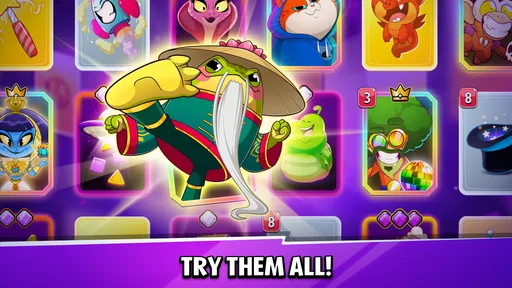
Visually, the game is a treat. The vibrant colors and well-designed characters make it visually appealing. The animations are smooth, and the effects when you create a big match or use a booster are satisfying. The sound design complements the visuals well, with cheerful tunes and sound effects that enhance the experience without being intrusive.
Progression and Rewards
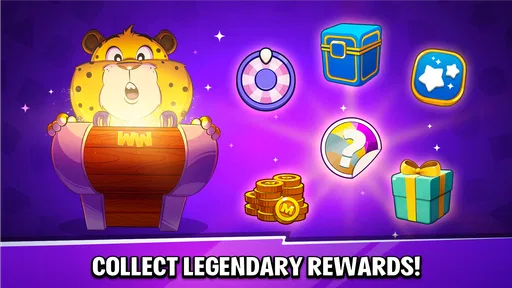
One of the things I really appreciate about Match Masters is its progression system. You’re constantly rewarded with new boosters and upgrades as you climb the ranks. The game offers daily challenges and events that keep things fresh and exciting. Plus, the feeling of leveling up and unlocking new content gives a sense of accomplishment.
Community and Social Features
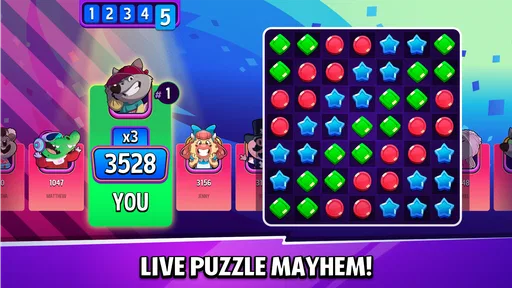
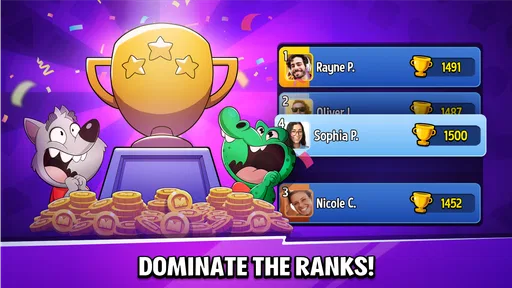
The social aspect of the game is another highlight. You can team up with friends or join clubs to share strategies and compete in tournaments. The chat feature and leaderboard rankings create a sense of community and friendly competition. It’s always a blast to see your name climbing up the ranks!
Accessibility and Monetization
Now, let’s address the elephant in the room—monetization. While the game is free to play, there are in-app purchases available. However, I found that the purchases aren’t necessary to enjoy the game or progress. With patience and strategic play, you can achieve a lot without spending a dime. The developers have balanced this aspect well, keeping it fair for all players.
Final Thoughts
In conclusion, Match Masters offers a refreshing take on the match-3 genre. Its competitive nature, combined with engaging graphics and rewarding progression system, makes it a standout choice for anyone looking to dive into a fun and strategic game. Whether you’re playing solo or with friends, it’s a blast from start to finish. So, if you haven’t already, give it a try and see if you have what it takes to become a master!
Pros
- Engaging multiplayer battles.
- Variety of power-ups available.
- Regular updates with new features.
- Easy to learn for beginners.
- Vibrant and colorful graphics.
Cons
- Occasional connectivity issues.
- In-app purchases can be costly.
- Some ads can be intrusive.
- Limited offline functionality.
- Matchmaking can be uneven.
FAQs for Match Masters
What is Match Masters and how does it work?
Match Masters is a competitive puzzle game where players match colorful pieces on a board to score points. Each match gives players special power-ups that can be strategically used to outplay opponents. The game is played in real-time against friends or random opponents, adding a layer of excitement and unpredictability to each match.
Is Match Masters free to play, and are there in-app purchases?
Yes, Match Masters is free to download and play. However, the game offers in-app purchases for various items, such as extra moves, power-ups, and cosmetic enhancements. While these purchases can enhance gameplay, they are optional, and players can enjoy the full experience without spending money.
What are the system requirements for Match Masters on Android and iOS?
For Android devices, Match Masters requires at least Android 5.0 and up. On iOS, the game is compatible with iOS 10.0 or later. It's recommended to have a stable internet connection for the best gaming experience since matches are played in real-time against other players.
Can I play Match Masters with friends?
Absolutely! Match Masters allows you to connect with friends through social media or by inviting them directly. You can challenge them to matches and see who the true puzzle master is. This social aspect adds another layer of fun and competition to the game.
Are there any strategies or tips for beginners in Match Masters?
For beginners, it's important to focus on creating combos and utilizing power-ups efficiently. Observing your opponent's moves can also provide a strategic advantage. As you become more familiar with the game, you'll learn to anticipate moves and develop tactics that can secure victories in competitive matches.


